Jay P Zarnetske
Professor, Department of Earth & Environmental Sciences
Location: 308 Natural Science Bldg
Phone: 517-353-3249
Email: jpz@msu.edu
Website: https://www.zarnetskelab.com/
Bio
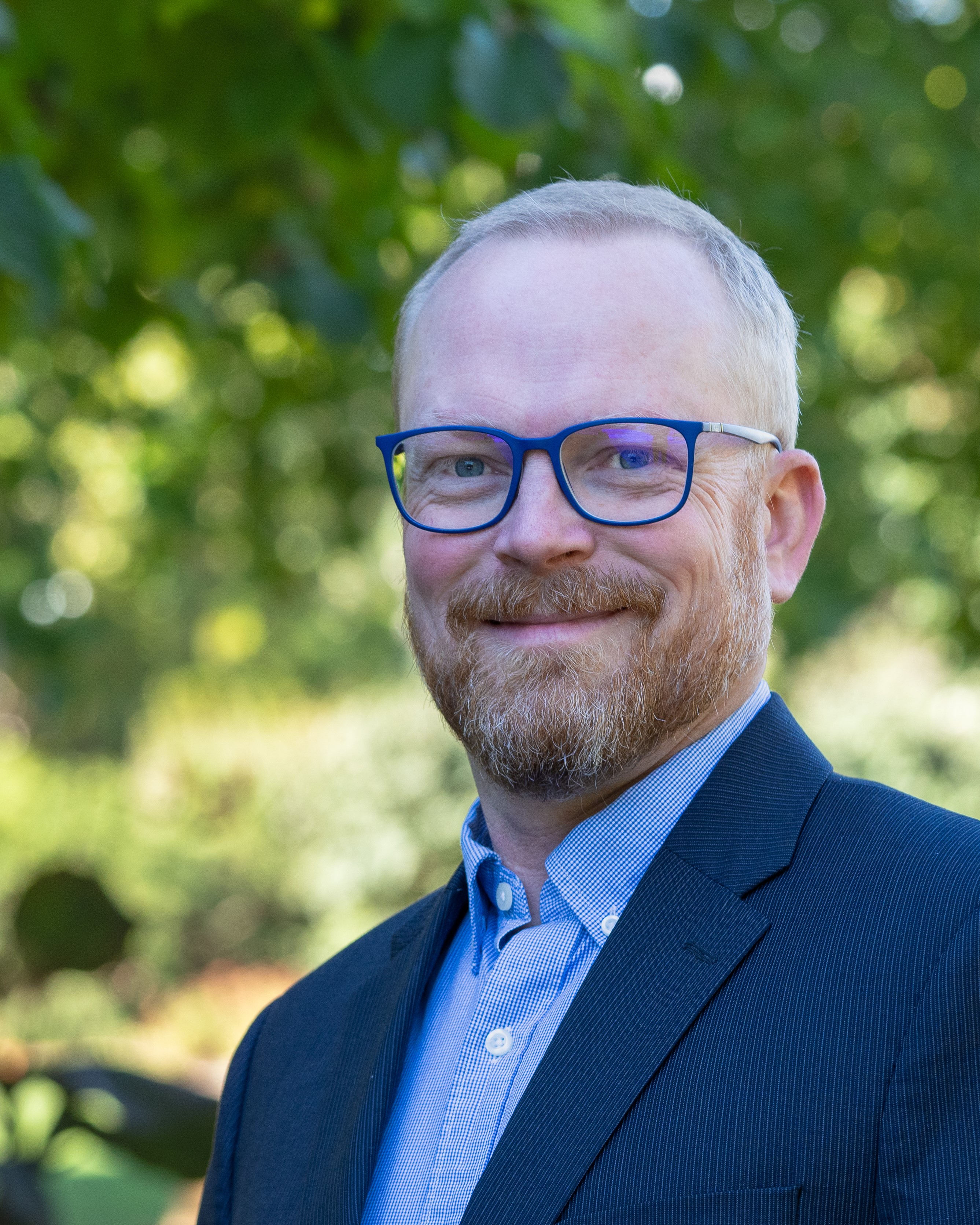
Jay Zarnetske is a professor in the Department of Earth and Environmental Sciences at Michigan State University, where he studies watershed science and helps train the next generation of environmental scientists. To answer a wide range of fundamental and applied scientific questions, he focuses on questions about the physics and chemistry of water, such as, “Where does water go when it rains? What flow path does it take? And how long did it take to get there?” Working with scientists and policy makers around the world, Jay has been part of research projects done on every continent generating more than 70 publications, hundreds of presentations, and dozens of educational and outreach products. He recently led an international team that changed the way the global water cycle is depicted and taught around the world, led Arctic research expeditions, and was part of the executive leadership for a scholarly non-profit organization that provides critical data and computing infrastructure to advance water scientists around the world.

Jay is an alumnus of Oregon State University (Ph.D.), Utah State University (M.S.), and Colby College (B.A.). He was a Gaylord Donnelly Postdoctoral Fellow at Yale University before joining MSU. He has held multiple visiting scholar positions in Australia, New Zealand, and France and was a consulting hydrologist for multiple years before joining academia.

Current research areas: His research group is interested in how hydrologic processes and aquatic ecosystems respond to climate and land use change. They focus on how hydrologic processes can control complex aquatic ecosystem patterns and processes. Most of their research deals with:

* Ground Water - Surface Water Interactions in Rivers (Riparian and Hyporheic Zones)
* Emergent Patterns in Environmental Biogeochemistry and Stream Ecosystems
* Nitrogen and Carbon Export & Retention in Stream Networks (Ecological Flow Regimes)
* Arctic and Permafrost Influenced Stream Ecosystems

They approach these interests in terms of how catchment hydrology and groundwater - surface water interactions affect aquatic ecosystems through solute generation, fate, and transport. Their methods involve a range of characterization techniques (e.g., tracers, isotopes, geophysics, and machine learning) and modeling that couple hydraulic and ecosystem processes (e.g., reactive nutrient transport).

Additional details are available on the Zarnetske Lab website.
Courses
- GLG 411: Hydrogeology